Limbs Removal in Honolulu, HI
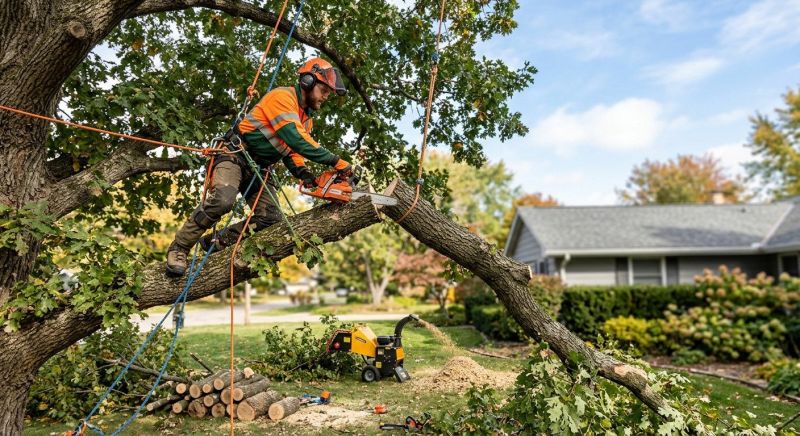
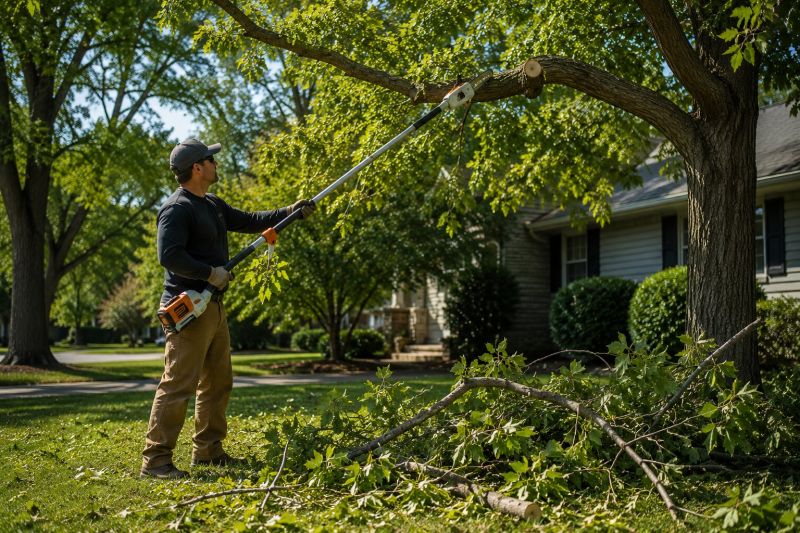
Limbs removal services involve the careful removal of tree limbs, branches, or other plantings to improve safety, health, and appearance of a property. These projects typically include pruning overgrown or damaged limbs, removing dead or diseased branches, and clearing away sections of trees that pose a risk to structures or power lines. Homeowners often request this service to maintain the safety of their outdoor spaces, prevent potential damage during storms, or to enhance the overall landscape aesthetic.
Before requesting limbs removal, property owners usually want to understand the scope of the work, including which limbs are safe to remove and how the process may affect the health of existing trees. It’s also common to inquire about the proper timing for pruning, the tools used, and any potential impact on nearby plants or structures. Clear communication about these aspects helps ensure the project meets safety standards and aligns with the property's landscape goals.
Many property owners in Honolulu, HI look into Limbs Removal for repairs, replacements, upgrades, and appearance-related improvements.
Types Of Limb Removal
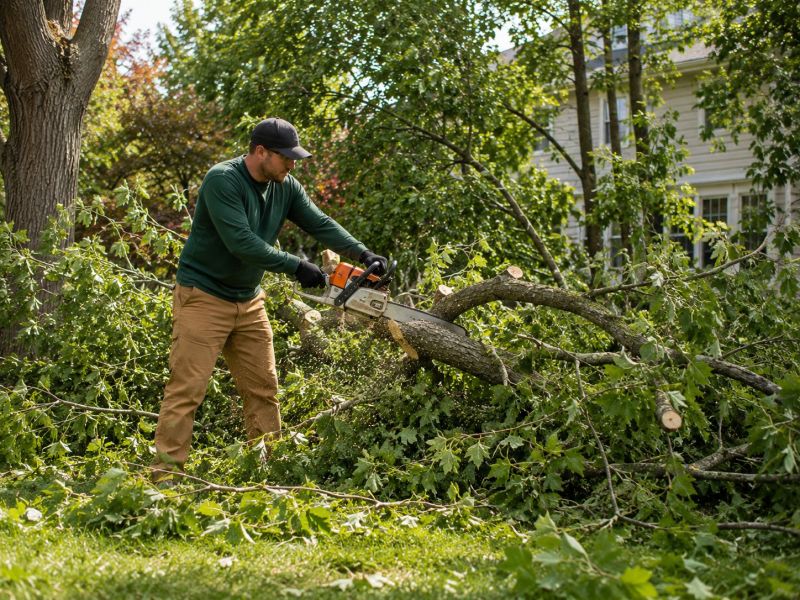
Services include amputation due to injury, disease, or congenital conditions.
Preparation And Aftercare
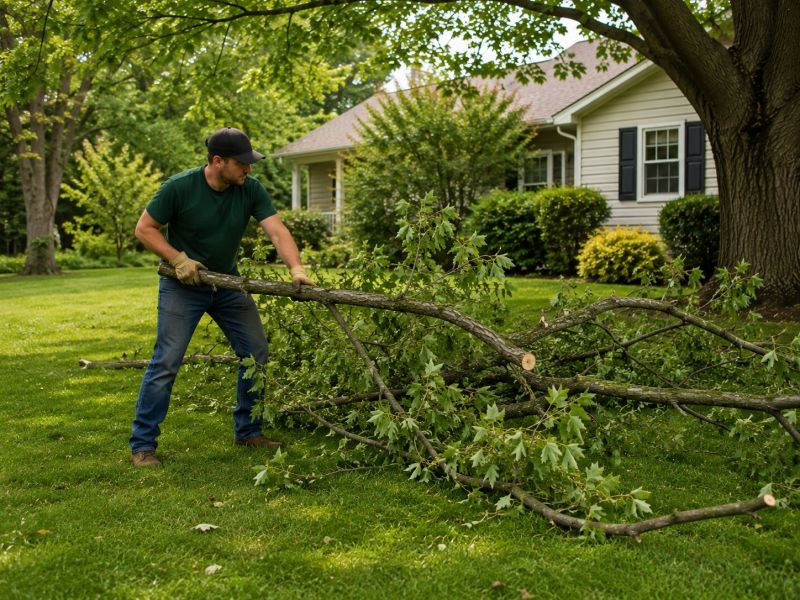
Proper planning and post-procedure care are essential for recovery and comfort.
Property Modifications
Adjustments may be needed to ensure safety and accessibility after limb removal procedures.
Limbs Removal in Honolulu, HI

Limbs removal services involve the careful removal of tree limbs, branches, or other plantings to improve safety, health, and appearance of a property. These projects typically include pruning overgrown or damaged limbs, removing dead or diseased branches, and clearing away sections of trees that pose a risk to structures or power lines. Homeowners often request this service to maintain the safety of their outdoor spaces, prevent potential damage during storms, or to enhance the overall landscape aesthetic.
Before requesting limbs removal, property owners usually want to understand the scope of the work, including which limbs are safe to remove and how the process may affect the health of existing trees. It’s also common to inquire about the proper timing for pruning, the tools used, and any potential impact on nearby plants or structures. Clear communication about these aspects helps ensure the project meets safety standards and aligns with the property's landscape goals.
Many property owners in Honolulu, HI look into Limbs Removal for repairs, replacements, upgrades, and appearance-related improvements.
Common Limbs Removal Jobs
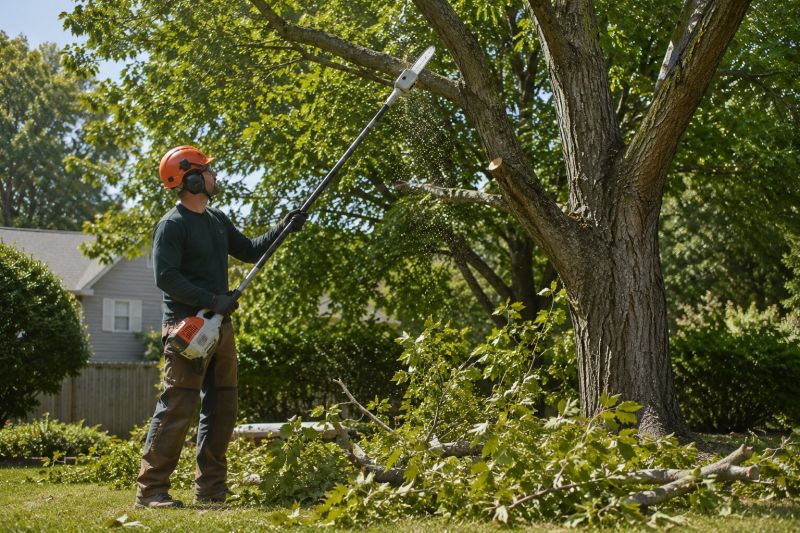
Tree limb removal - safely removing overhanging or damaged branches to protect property and improve landscape health.
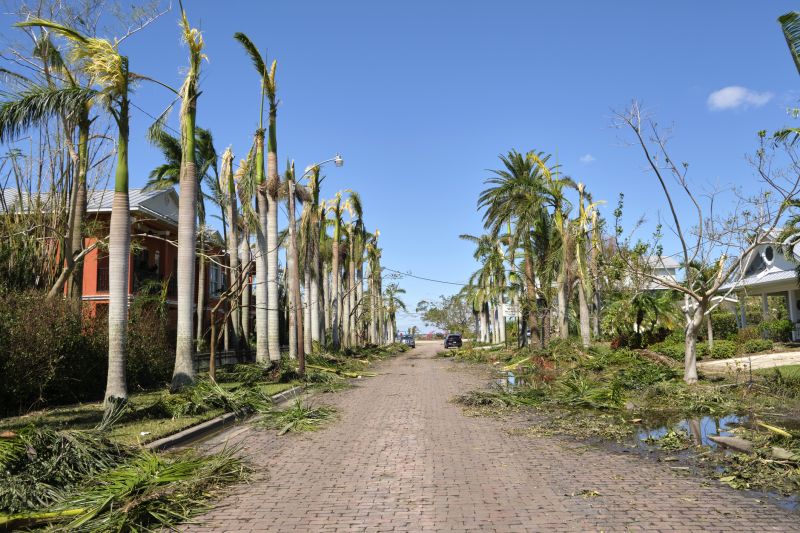
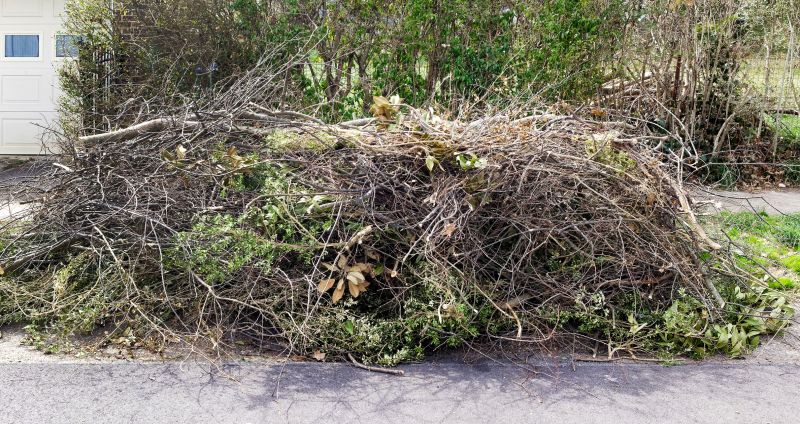
Storm damage limb removal - clearing fallen or broken limbs after severe weather to prevent further hazards.
Emergency limb removal - quick response to hazardous limbs that threaten safety or cause property damage.
Selective limb removal - pruning specific branches to promote tree health and maintain aesthetic appeal.
Utility line clearance - removing limbs that interfere with power or communication lines to ensure safety.
Dead limb removal - eliminating dead or decaying branches to prevent decay spread and enhance tree stability.
Limbs Removal Questions
What types of limbs removal services are available? Services typically include removal of dead or damaged limbs caused by storms, pests, or disease to improve tree health and safety.
Why might property owners request limbs removal? To prevent hazards, improve landscape appearance, or allow more sunlight to reach other plants and structures.
Is limbs removal suitable for all tree types? It is generally appropriate for most trees, especially when limbs pose a risk or interfere with property features.
What should property owners consider before requesting limbs removal? Consider the location of the limbs, potential impact on tree health, and the overall landscape plan for the property.
Request Limbs Removal in Honolulu, HI
Use the quote form on this page to share the basics of your project and request more information for the type of work you need.